
Celebrity, singer, talk-show host and recent contestant on the ABC television series, Dancing With The Stars (DWTS), Tamar Braxton announced that she has blood clots in her lungs. As a result, she was forced to leave DWTS. In addition, she cancelled her tour performances. I am always grateful when celebrities share their medical history with their fans. It’s an opportunity to spread awareness about disease and illnesses that otherwise a lay person may not be aware of. Oftentimes, this awareness can save your life or that of a loved one. Knowledge is power.
So, what is a pulmonary embolism?
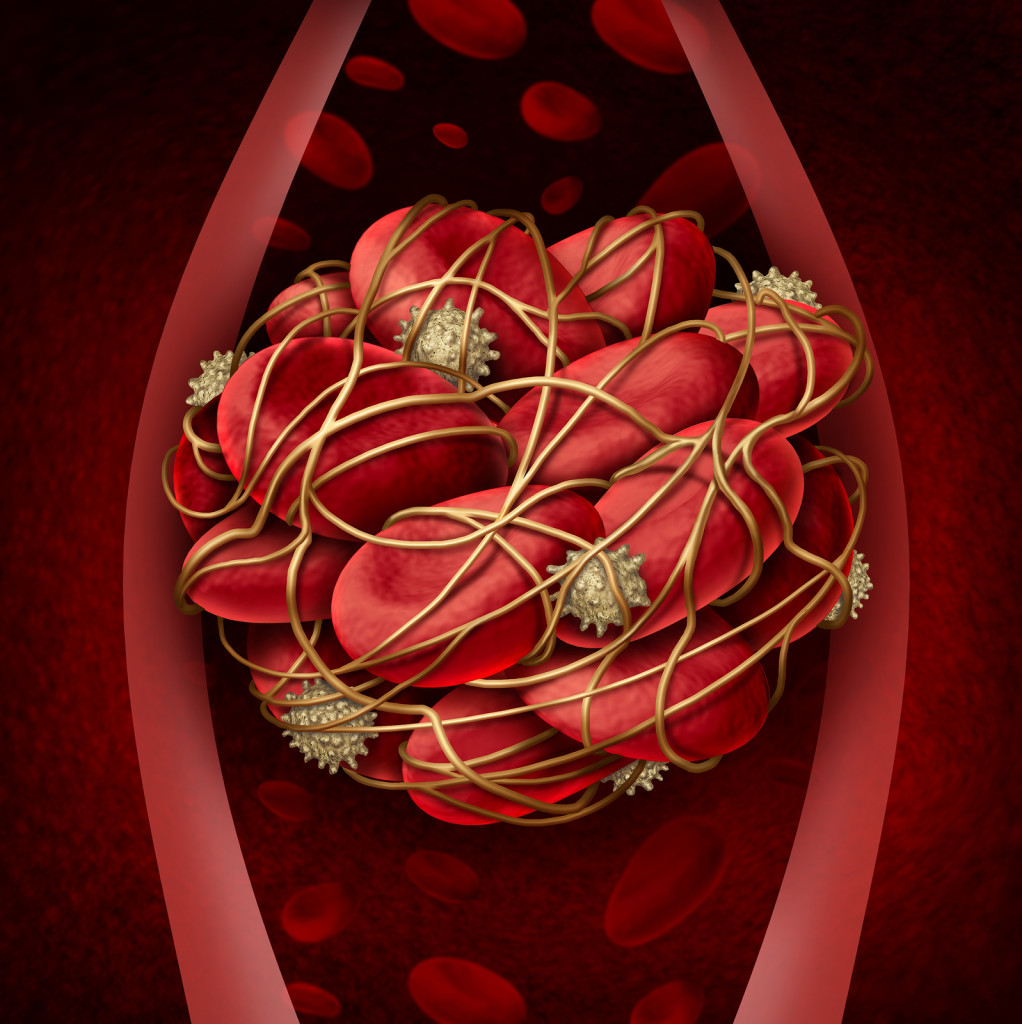
A pulmonary embolism (PE) is the medical term used to describe blood clots in the lung. A pulmonary embolism most often occurs when a blood clot in the lower extremity breaks off and travels through the bloodstream and lodges in a blood vessel in the lungs. A large blood clot in the lungs can cut off blood supply to the lung and cause serious lung injury and the injury can be fatal. When diagnosed early blood clots can be treated successfully.
What causes pulmonary embolism?
There are certain conditions that can increase your risk for developing a blood clot. Again most blood clots arise from the lower extremity. Blood clots in the lower extremities arise from the deep veins in your legs—deep vein thromobis (DVT). The Center for Disease Control (CDC) offers a comprehensive list of risk factors for DVT/PE:
Injury to a vein:
- Fractures
- Severe muscle injury (e.g. trauma from an accident)
- Major surgery (particularly involving the abdomen, pelvis, hip or legs)
Slow blood flow, often caused by
- Confinement to a bed
- Limited movement (e.g. a cast on a leg)
- Sitting for a long time especially with crossed legs (think long plane or car rides)
- Paralysis
Increased estrogen, often caused by:
- Birth control pill
- Hormone replacement therapy (used for menopause)
- Pregnancy, for up to 6 weeks after giving birth
Certain chronic medical illnesses, such as
- Heart Disease
- Lung Disease
- Cancer and its treatment
- Inflammatory bowel disease (Crohn’s disease or ulcerative colitis)
Other factors include
- Family history
- Obesity
- Blood Clotting Disorders (blood disorders that cause blood clots, typically inherited)
- Age (risk increases with age)
- A catheter in a central vein
What are the signs and symptoms associated with a pulmonary embolism?
- Difficulty breathing
- Shortness of breath
- Chest pain, particularly pain when taking deep breath or when coughing
- Breathing rapidly
- Anxiety
- Sweating
- Rapid heart rate
- Feeling lightheaded and faint
- Coughing (the cough may be dry, but also may be bloody)
What are the signs and symptoms of a deep vein thrombosis (DVT) in the leg?
- Swelling
- Pain
- Redness of the skin
What should you do if you have signs or symptoms of a PE or DVT?
The CDC estimates that 60,000 to 100,000 of Americans die of DVT/PE. Also, the CDC reports that sudden death is the first symptom in 25% of people who have a pulmonary embolism. If you have any of the signs or symptoms listed above you should activate 911 and get to the nearest hospital. Early medical intervention and treatment can save your life!